
Search the local update desk
Find the local SEO news that matters to you
Search sourced updates and published explainers. Filter by date, browse editor-selected trending topics, or save interests in this browser for a personal feed.
Choose topics for your feed
Saved only in this browser
8 results
 Sourced update
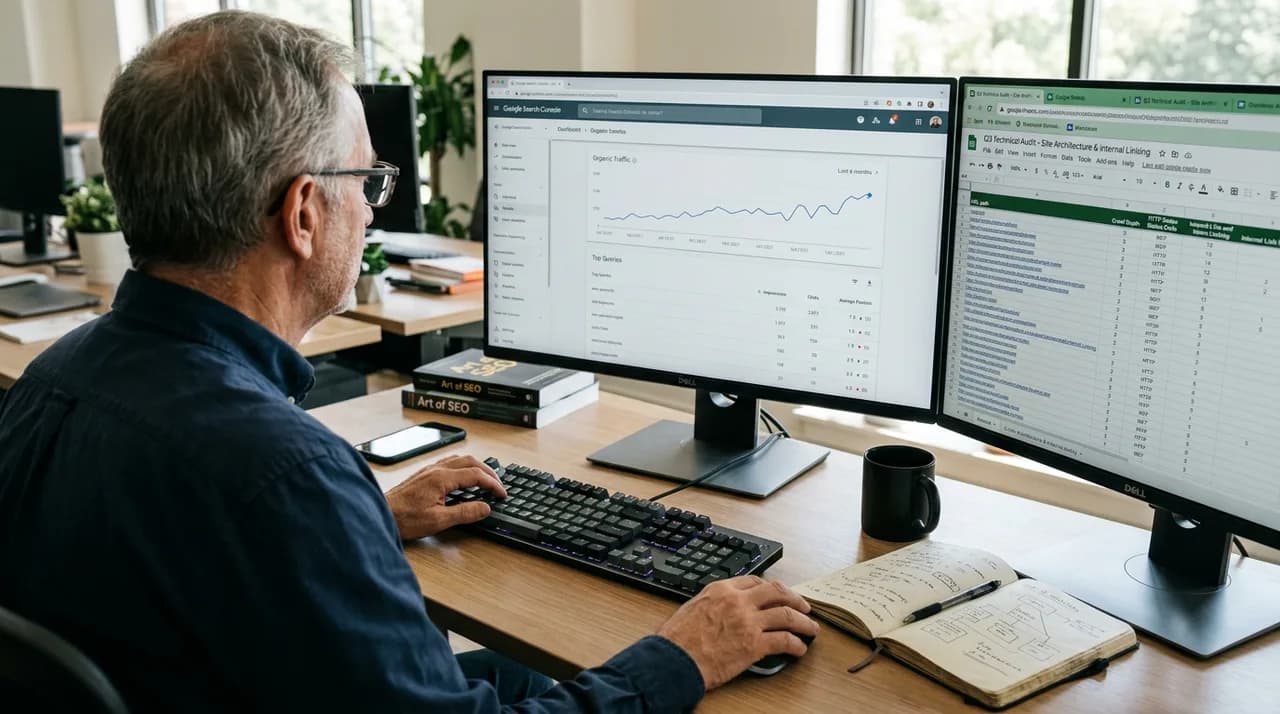
Google is testing expanded Business Profile performance reports
Search Engine Roundtable reports that some profiles are seeing more detailed sections for engagement, reviews, audience and search trends. Google has not announced a general rollout. If the report appears in your account, compare its figures with your existing baseline before changing your reporting routine.
 Sourced update
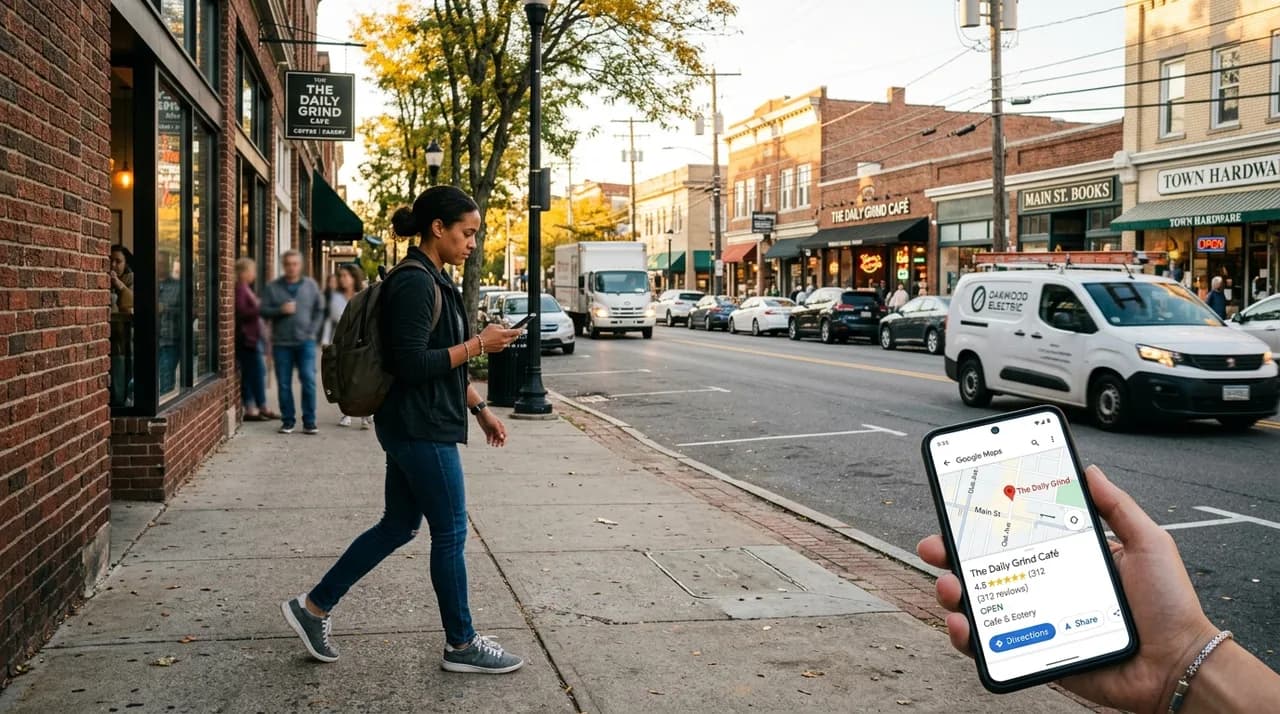
Google is testing a different local panel layout
The observed design swaps the position of business photos and key profile details. The report does not establish a ranking or conversion effect, so check how your own profile appears on desktop and mobile rather than changing assets based on the test alone.
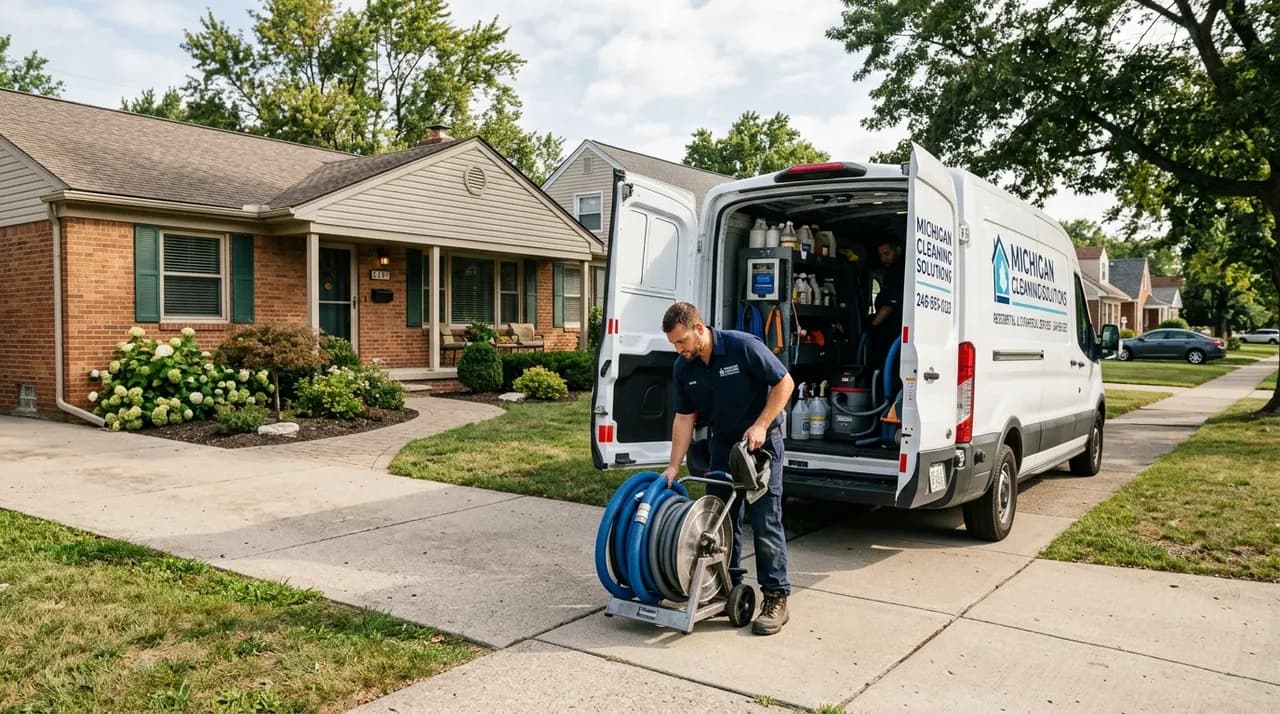 Sourced update
Google Posts may appear higher in some local panels
Local-search observers report that the Posts section has moved up and down in some panels. This is an interface observation, not a confirmed rollout or ranking change. Keep profile posts current for customers, but do not expect posting alone to improve local rankings.
 SearchPrex article
Google Can Restrict Business Profiles Over Fake Reviews: What Its Policy Says
Google documents possible restrictions for Business Profiles that violate fake-engagement policies. The rules do not promise a fixed review-freeze duration or a specific ranking or conversion effect.
 SearchPrex article
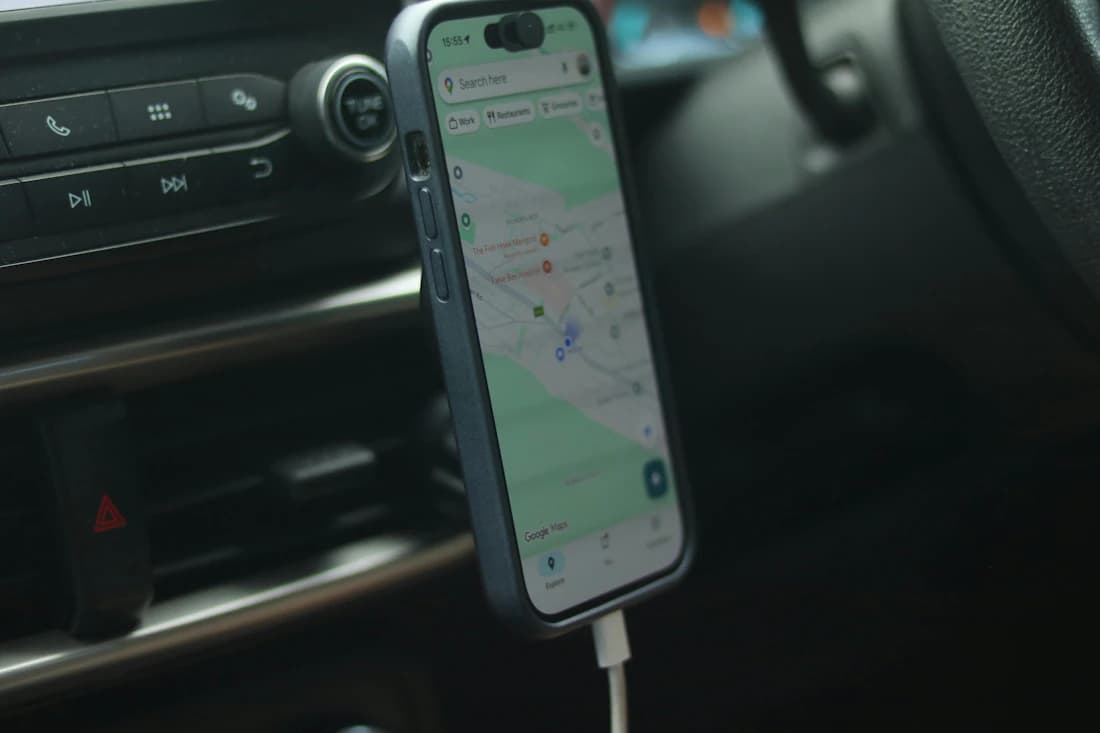
Google Maps Now Asks Users to Sign In to Read All Reviews
Google Maps has been observed testing a requirement that users sign in to a Google account before they can read all reviews or sort reviews on a business listing.
 SearchPrex article
Google Gives You Four Days to Reject a Suggested Edit
Google added a strict four-day deadline for business owners to review and reject user-suggested edits to hours, categories, and business details on Google Business Profile.
 Sourced update
Certain suggested profile edits have a four-day review window
Google's current help documentation says that when an edit requires review, owners may have four days to accept or reject it. If there is no response, Google may publish it when public information supports the change. Check profile notifications and keep your website details accurate.
 Sourced update
Business Profiles can show information collected by Google
Google's help page describes a Collected info area for details gathered through automated calls, texts or WhatsApp. Availability is limited by region, language and business category. If it is available in your profile, review the details and remove anything inaccurate.
SearchPrex field note · Mubashar Sharif · October 24, 2026
Local context earns relevance when it is backed by real evidence
In our local-search work, demographic knowledge is most useful when it helps explain a real customer need: what people in a place are trying to solve, what makes them trust a provider, and what practical constraints shape their choice. Mubashar Sharif’s working approach is to validate those questions with local search queries, customer conversations, reviews, calls and business details—not to assume that everyone in a city shares the same traits.
Maslow’s needs framework can be a useful interview prompt: ask about practical needs, safety and trust, belonging, and esteem. It is a lens for understanding people, not a Google ranking factor or a formula for AI citations. Google describes local results in terms of relevance, distance and prominence. Its AI Search guidance likewise recommends strong, helpful, crawlable content rather than special AI markup. Neither Google nor AI answer products promise a particular ranking, citation or mention.
How to turn local insight into useful pages
- Group Search Console queries by place, service and customer need; use first-party calls, leads and interviews to check what those searches mean.
- Answer the local question with verifiable details, clear authorship and sources. Avoid generic city swaps or unsupported demographic claims.
- Link the update to the matching Local SEO service, relevant city pages and practical resources; track qualified enquiries alongside search visibility.
Put the ideas into practice with our Local SEO tips and lead playbook, covering profile accuracy, useful local pages and lead measurement. For market-specific examples, compare our Cleveland local market page, Katy local market page, and Sugar Land local market page. For profile-to-call advice, see our guide to getting more calls from a Google Business Profile.
This is a practitioner hypothesis and research method, not a controlled study or a promise of rankings, AI Overview inclusion, citations or mentions. References: Google’s local ranking guidance; Google’s guidance on AI features in Search; OpenAI’s ChatGPT Search overview; Maslow’s 1943 paper on human motivation. Gemini may also show source links depending on the response; see Gemini Apps source guidance.
Practical next steps
Local SEO resources
Free NicheSEO Pro tool
Check your domain authority
Enter a website to open the authority checker. Domain Authority is a comparative third-party metric, not a Google local ranking score.
Table of Contents(4 sections)
What this guide covers
The latest Local SEO news and Google Business Profile updates, with dates, sources, confirmed guidance separated from reported tests, and practical checks for local businesses.
How to read these updates
Each item should be checked against its original announcement or documentation. We separate confirmed product changes from observations and analysis, and explain what is known, what remains uncertain, and what a site owner can verify in their own data.
Browse the latest SEO news
For recent announcements and source-linked coverage, visit the SearchPrex SEO News desk. CMS articles in this topic are linked from that feed when they are available.
Questions readers ask
Does an update guarantee a ranking or traffic change?
No. A confirmed feature or policy change does not guarantee a ranking, citation, impression, or traffic change for an individual website. Measure the pages and queries relevant to your business over time.
Where can I verify an SEO update?
Start with the original search engine announcement or official documentation. For site-specific effects, compare Search Console and analytics data over equivalent periods and check for other changes that could explain the movement.

Mubashar Sharif
Founder & SEO Strategist at SearchPrex
Mubashar leads SearchPrex’s founder-led SEO work for law firms, local businesses and ecommerce brands. He combines technical audits, Search Console data and local market research to build practical search strategies, with more than five years of hands-on experience across 20+ clients.
Join the Discussion or Request Our Next Topic
Share your perspective in the public thread below, or tell us what SEO teardown, case study, or update regarding Local SEO News 2026: What Confirmed Updates Mean for the Map Pack you want us to cover next.
Community Perspectives (0)
Loading discussion...


